
Quality Assurance
Charcoal quality is decided at the kiln, the yard and the bagging line — long before a container is sealed. Here is how we control it.
Specify. Check. Document. Repeat.
We do not rely on a single end-of-line test. Quality is built through a sequence of checks, each catching problems that would be expensive to find at destination.
Every order starts with a written specification covering laboratory parameters and physical attributes. From there, our yard team applies checkpoints at sourcing, after weathering, during sorting and at bagging. Laboratory analysis confirms the key figures for each shipment, and we actively support third-party inspection by the buyer's nominated agency.
- Written spec per order
- Source selection by species
- Cooling & weathering
- Screen & hand sorting
- Moisture checks at bagging
- Lab analysis per shipment
- Third-party inspection support
- Loading photographs & report
Six Stages of Control
1. Species & Source
We buy from producing areas known for dense hardwood species and reject lots with high proportions of soft wood, bark or uncarbonised material.
2. Cooling & Weathering
Fresh charcoal is allowed to cool and stabilise before handling, reducing self-heating risk and giving a truer picture of moisture and density.
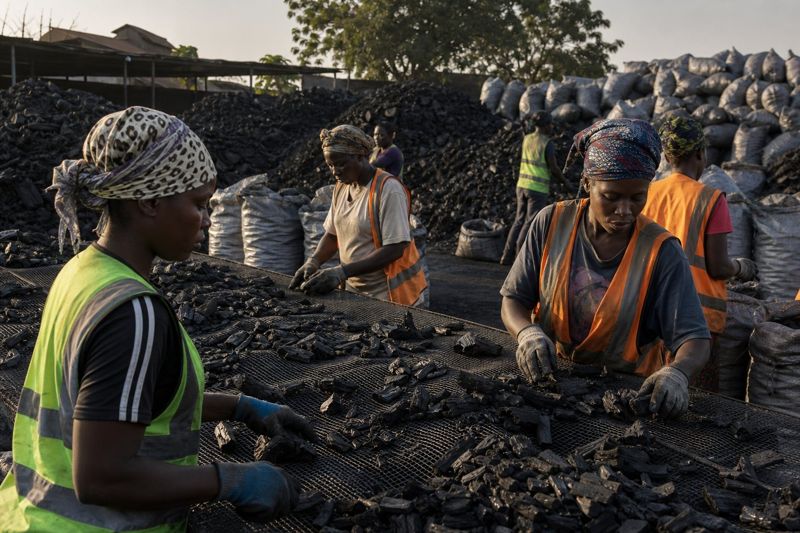
3. Screening & Sorting
Material is screened to remove fines and hand-sorted into size fractions. Stones, soil, bark, brands and off-cuts are removed by hand.
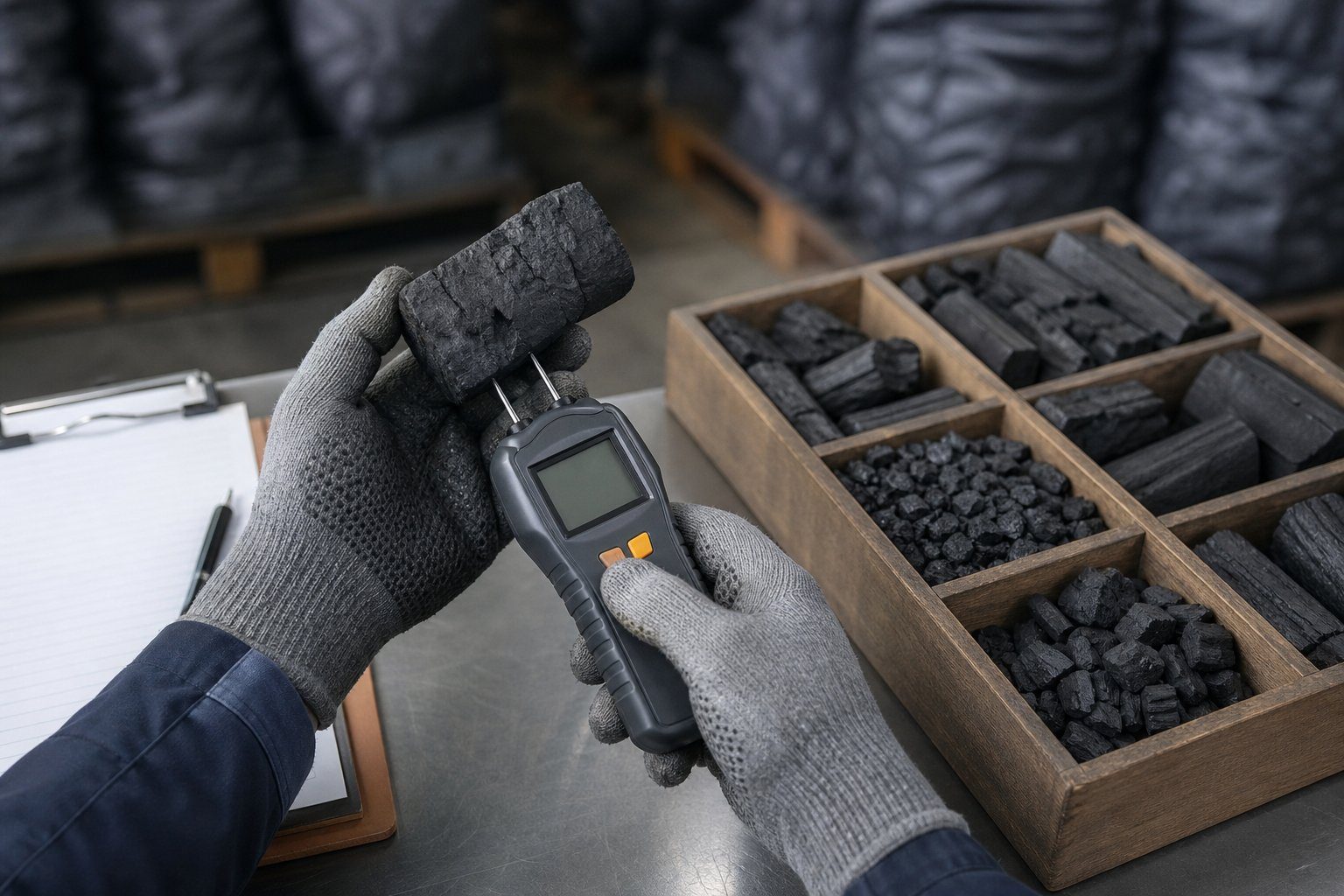
4. Moisture Control
Charcoal is stored under cover and spot-checked for moisture before bagging. Lots that do not meet the agreed limit are held back to dry.
5. Laboratory Analysis
Representative samples are analysed for fixed carbon, ash, moisture, volatile matter and calorific value, producing the certificate of analysis for the shipment.
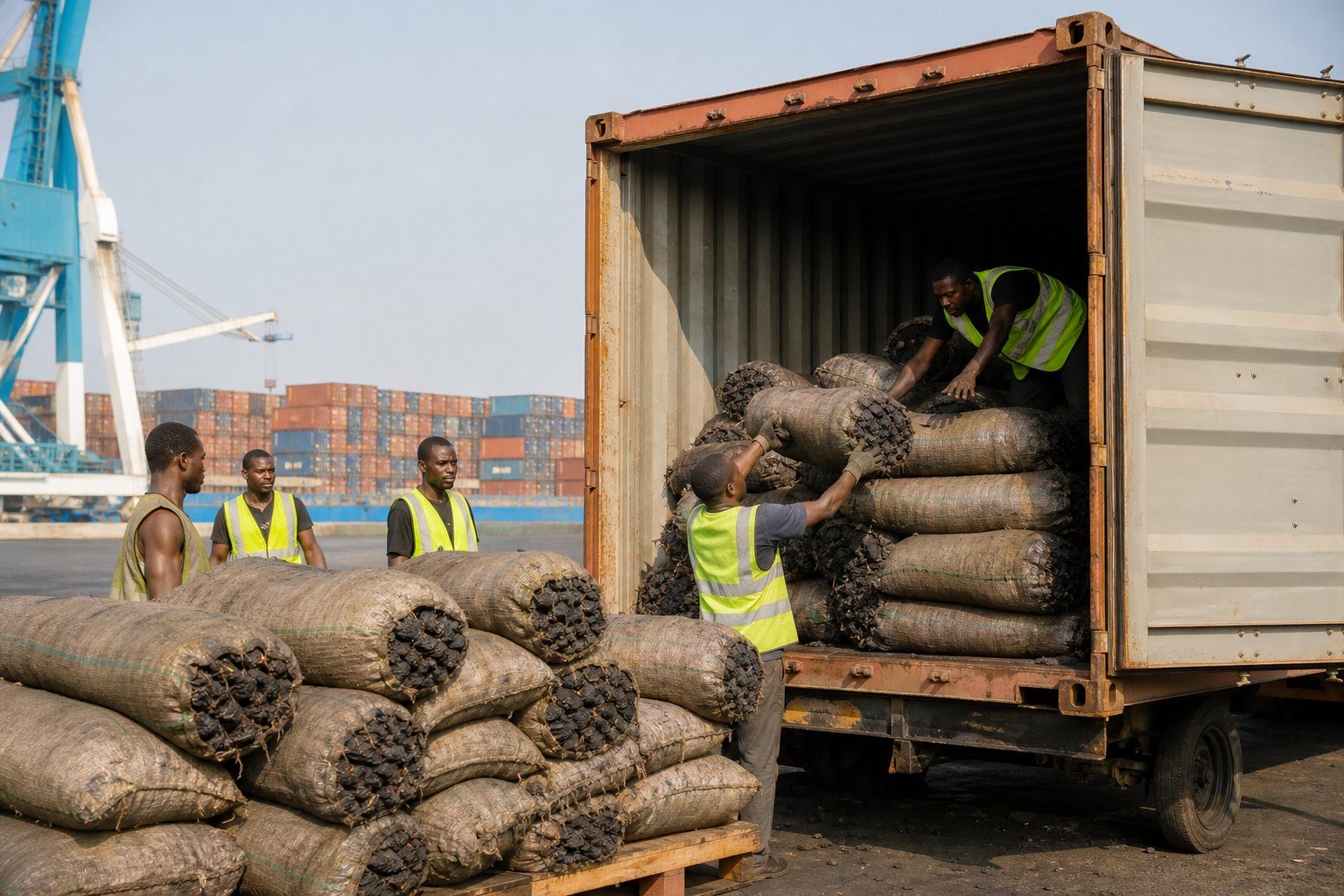
6. Loading Inspection
Bag counts, weights and container condition are verified at stuffing. Photographs and a loading report accompany the shipping documents.
What the Numbers Mean
The parameters that define export-grade charcoal, and why each one matters to your customers.
| Parameter | What it tells you | Why it matters | Method |
|---|---|---|---|
| Fixed carbon | Share of the charcoal that is pure carbon | Heat output, burn time and clean combustion — the headline quality figure | Proximate analysis (ASTM D1762) |
| Ash content | Incombustible residue after burning | Low ash means less cleaning, better airflow and consistent heat in grills and ovens | ASTM D1762 |
| Moisture | Water held in the charcoal | Affects ignition, weight you pay for and safety at sea | Oven-dry / meter check |
| Volatile matter | Gases released on heating | Balance of easy ignition against smoke and flare | ASTM D1762 |
| Calorific value | Energy per kilogram | Key figure for industrial and energy users | Bomb calorimetry (ISO 1928) |
| Size distribution | % of lumps within agreed screen sizes | Matches the product to restaurant, BBQ or industrial use | Screen grading |
| Fines & foreign matter | Dust, stones, soil, uncarbonised wood | Directly affects customer satisfaction and ash | Visual & screen check |
Third-Party Inspection Welcome
For first orders, letters of credit or large programmes, many buyers appoint an independent inspection company. We welcome it. Agencies such as SGS, Bureau Veritas, Intertek and Cotecna can be engaged to draw samples, witness bagging, verify weights and supervise container loading, with laboratory testing to the standard you specify.
We coordinate access, scheduling and sampling with the inspector and build the inspection timeline into the shipment plan so that it does not delay the vessel booking. Inspection fees are normally for the buyer's account unless otherwise agreed.
Charcoal and the IMDG Code
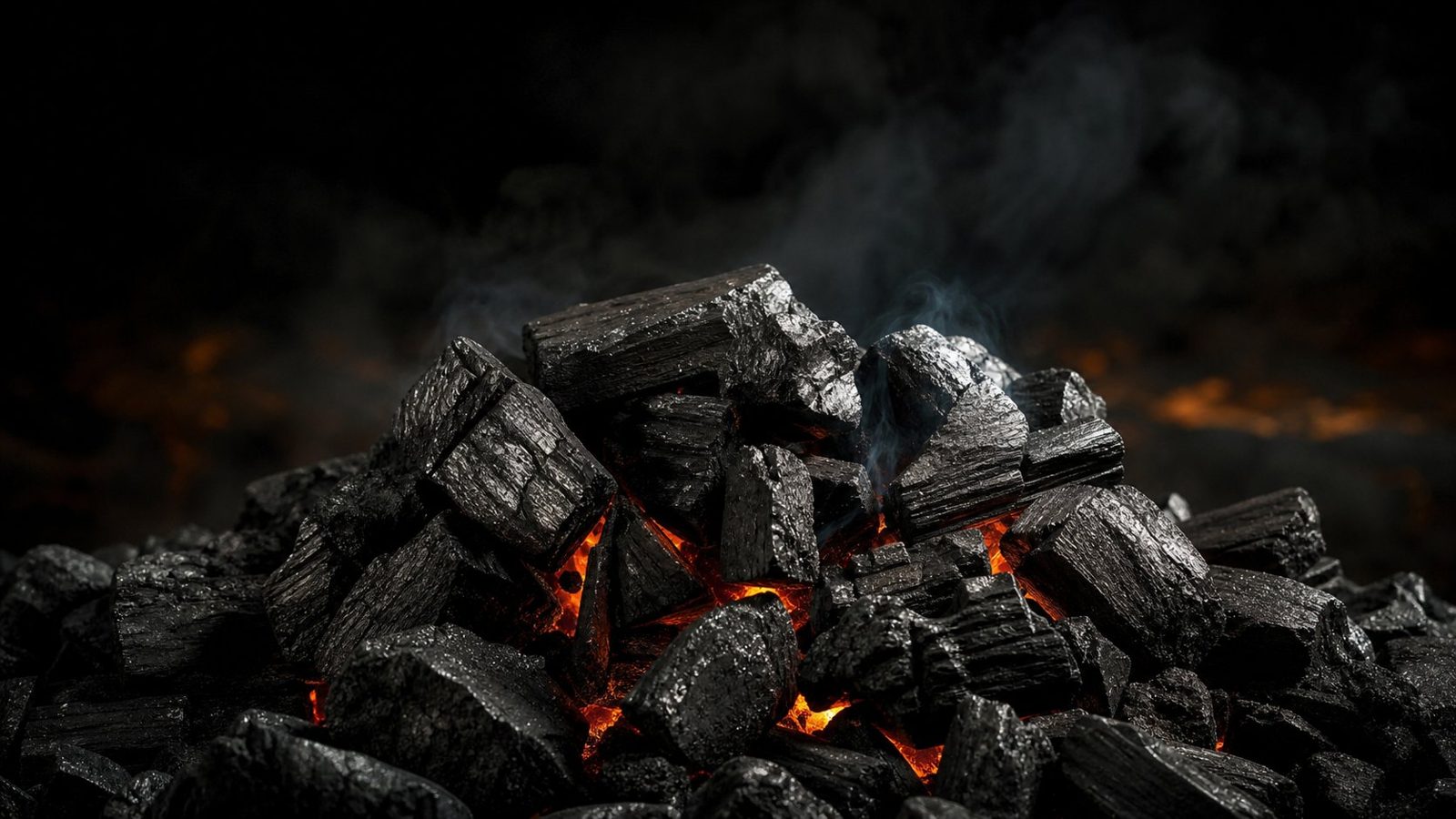
Charcoal can self-heat if shipped fresh, damp or poorly ventilated, and it is listed in the IMDG Code (UN 1361, Class 4.2) unless shown to be exempt. Shipping lines therefore require a self-heating test report or exemption certificate from an approved laboratory, plus a declaration that the charcoal has been properly cooled and weathered before packing.
We obtain the required test documentation before booking, control moisture and weathering as described above, and prepare the shipper's declaration so that containers are accepted by the carrier without delay. This protects your cargo, the vessel and your delivery schedule.
Have a Specification to Meet?
Send us your target parameters and tolerances. We will tell you plainly which grade meets them and how we will prove it.