Ayin Charcoal: Why Anogeissus leiocarpus Is Nigeria's Premier Export Hardwood
Ask any experienced importer what they want from Nigeria and the answer is usually one word: Ayin. Here is what makes this dense savanna hardwood the benchmark for restaurant and BBQ lump charcoal.
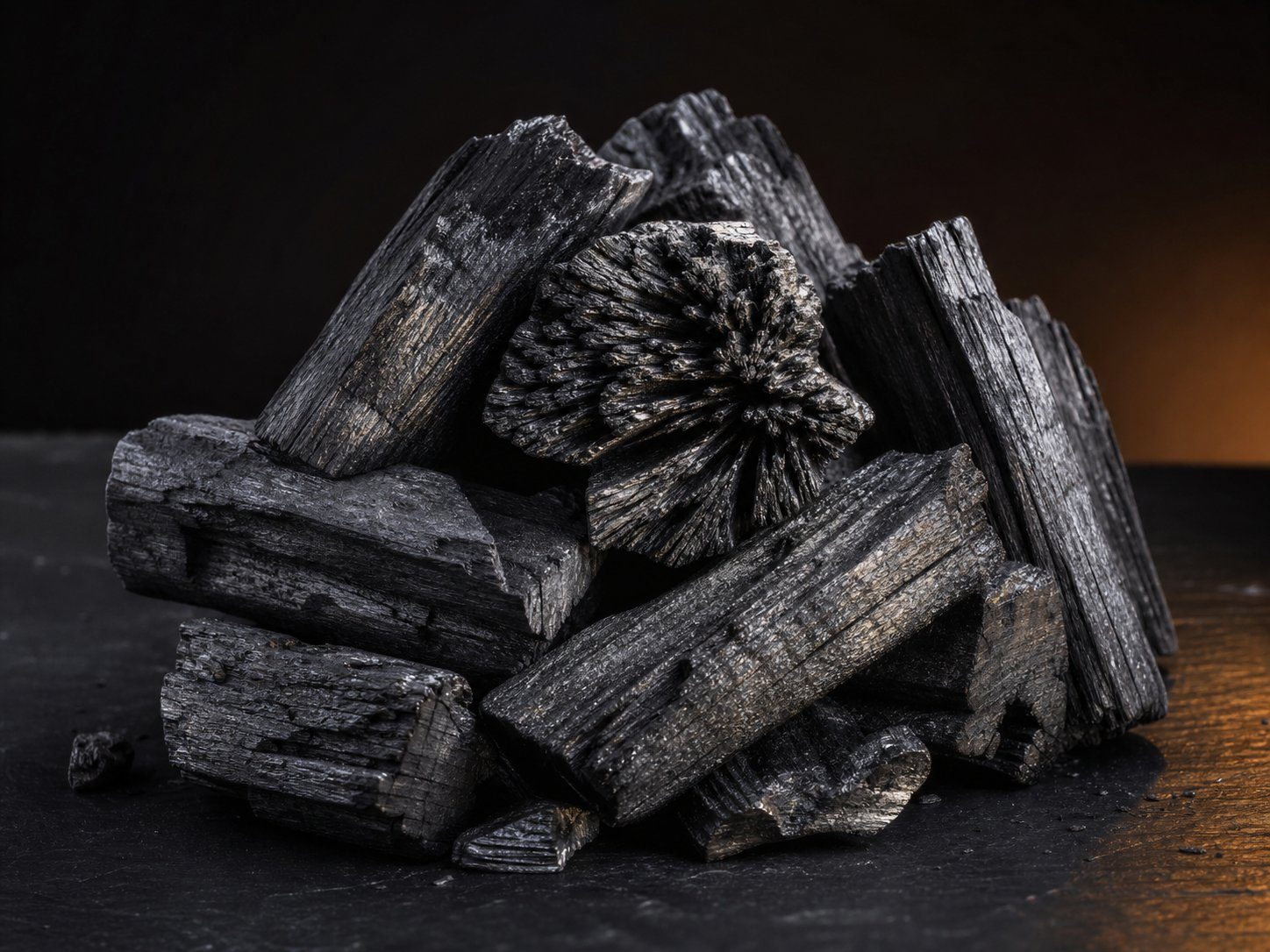
In the international charcoal trade, origin and species matter as much as brand. Buyers in Dubai, Jeddah, Istanbul and Athens who source from Nigeria overwhelmingly ask for Ayin charcoal — charcoal made from Anogeissus leiocarpus, the African birch, known locally as Ayin (Yoruba), Marke (Hausa) and Atara (Igbo). This guide explains what Ayin is, why it performs so well, how it is graded, and what to check when you buy it.
What is Ayin?
Anogeissus leiocarpus is a slow-growing deciduous hardwood found across Nigeria's Guinea and Sudan savanna belt — Oyo, Kwara, Niger, Kogi, Nasarawa, Kaduna and neighbouring states. Its timber is extremely dense and fine-grained, which is exactly the property that produces outstanding charcoal: when carbonised, dense wood yields heavy, solid lumps with a high proportion of fixed carbon and comparatively little ash.
Why importers specify Ayin
- Burn time. Dense lumps burn slowly and evenly — a restaurant can run a full service on one load.
- Heat output. High fixed carbon translates into high calorific value and the searing temperatures steakhouses and robata grills demand.
- Low ash, low spark. Properly carbonised Ayin produces fine, light ash and very little sparking, which matters for indoor charcoal ovens and shisha-coal manufacturers.
- Clean flavour. No resin, no strong smoke — a neutral, clean aroma preferred for grilled meat and seafood.
- Lump integrity. Ayin lumps are hard and resist crumbling in bagging, container stuffing and handling at destination, so more of what you pay for arrives as saleable lump rather than fines.
How Ayin charcoal is graded for export
At the sorting yard, Ayin charcoal is screened and hand-sorted into size fractions. The large fraction becomes restaurant-grade charcoal; the medium fraction is packed as premium BBQ charcoal; the natural mix is sold as hardwood lump charcoal for importers who re-grade locally; and smalls and fines go to industrial and briquette buyers. Bark, soil, stones and uncarbonised "brands" are removed by hand.
Ayin versus other Nigerian species
| Species | Density / burn | Typical use |
|---|---|---|
| Ayin (Anogeissus leiocarpus) | Very dense, long burn, low ash | Restaurant, BBQ, premium retail |
| Acacia species | Dense, good heat | BBQ, mixed lump export |
| Mixed savanna hardwoods | Variable | Mixed lump, industrial, briquette feedstock |
What to check when buying Ayin charcoal
- Species declaration on the specification sheet and contract — "Ayin" should be written, not implied.
- Sample first. Genuine Ayin lumps feel heavy for their size, have a metallic sheen and ring when knocked together.
- Carbonisation quality. Under-burnt charcoal smokes and shows brown wood under the surface; over-burnt charcoal is light and crumbly.
- Moisture and weathering. Insist on charcoal that has been cooled, weathered and stored under cover before bagging.
- Documentation. Certificate of analysis, origin and phytosanitary certificates, and the carrier's self-heating test documentation.
Ayin is the reason Nigerian charcoal competes with South American and South-East Asian hardwoods in the world's most demanding food-service markets.
Renamy Charcoal Nigeria sources its restaurant and lump grades principally from Ayin, with species declared on every specification sheet. Request a quotation or ask our export team for a sample.
Sourcing charcoal from Nigeria?
Get a written quotation and specification within two business days.
More Insights
Ready to Source Export-Grade Charcoal from Nigeria?
Tell us your grade, quantity, packaging and destination port. Our export team will prepare a detailed FOB or CIF quotation and a sample plan.